
The Uncomfortable Truth We Need to Face
Picture this: You're at a party chitchatting and someone mentions they have high blood pressure, normal conversation continues and someone else mentions their diabetes management, conversation still flows but on the mention of HPV, suddenly everyone's studying their wine glasses and changing the subject.
Here's the thing about Human Papillomavirus (HPV) that might surprise you: it's so common that most sexually active people will get it at some point in their lives. We're talking about roughly 80% of people with an estimated 620,000 cancer cases in women. It's more common than getting the flu, yet to most, it is some rare and unheard-of condition.
What Exactly Is HPV?
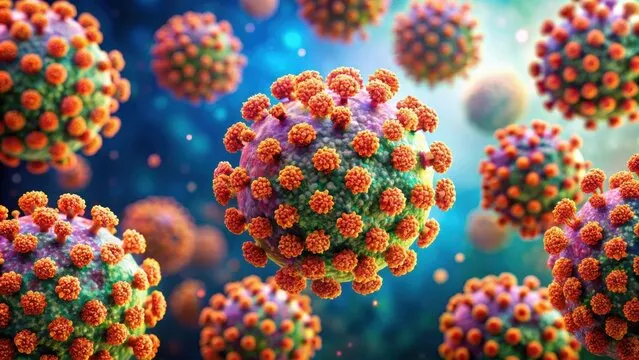
HPV isn't just one virus; it's actually a family of more than 200 related viruses, where some relatives are harmless while others are the troublemakers you really want to avoid. These viruses are often so small that they can slip through microscopic tears in your skin or mucous membrane. Once they're in, they can either cause immediate problems, lie dormant for years or get cleared out by your immune system.
High-Risk vs. Low-Risk Types
Not all HPV types are created equal. Scientists have categorized them into two main groups:
High-Risk Types (the ones that keep doctors awake at night):
Types 16 and 18 are the worst actors, responsible for about 70% of cervical cancers.
Types 31, 33, 45, 52, and 58 are also troublemakers.
These can cause cancers of the cervix, vulva, vagina, penis, anus, and throat.
Low-Risk Types (not life-threatening):
Types 6 and 11 cause about 90% of genital warts.
They're like that relative who overstays their welcome but won't actually burn your house down.
How HPV Spreads
HPV spreads through skin-to-skin contact and you don't need to have penetrative sex to get, this means:
Vaginal, anal or oral sex
Intimate touching
Sharing sex toys
Condoms, while helpful, only reduce risk by about 60-70% because they don't cover all the skin that might be involved in intimate contact.
The Silent Majority
Most people who get it will never know they have it as your immune system is remarkably good at dealing with HPV infections. In fact:
90% of HPV infections clear up naturally within 2 years
Most people's immune systems kick the virus to the curb without any symptoms
You could have it, clear it, and never know you were ever infected
This is both reassuring and frustrating; reassuring because your body is probably handling things just fine and frustrating because you might unknowingly pass it to partners.
When HPV Becomes a Problem
Sometimes, your immune system doesn't win the battle quickly enough, and HPV sets up a more permanent residence. This is when problems can develop where;
For Women:
Abnormal Pap smears
Precancerous changes in cervical cells
Cervical cancer (though this typically takes 15-20 years to develop)
Vulvar, vaginal, or anal cancers
Genital warts
For Men:
Penile, anal, or throat cancers
Genital warts
The HPV Screening Revolution
For women, we've gotten pretty good at catching HPV-related problems early through Pap smears where HPV can be tested and detected. Unfortunately, the frustrating reality for men is that there are no equivalent screening options which means they often don't know they're infected until symptoms appear or a partner tests positive.
Can HPV be treated?
While there's no cure that directly targets the virus itself, its symptoms can be handled, where Abnormal cervical cells can be dealt with using procedures like LEEP or cryotherapy, Genital warts with topical medications or surgical removal. amongst others.
Your Best Defense
The HPV vaccine is honestly one of modern medicine's greatest hits, even though it took a while to catch on. Rwanda's single-dose HPV vaccination program for girls aged 12-17, which is given once, implemented through RBC, represents hope for future generations. Through this initiative, combined with regular screening programs and health education, we can transform HPV from a silent threat to a manageable health consideration, ensuring the elimination of related cervical cancer.
References:
Centers for Disease Control and Prevention (CDC). (2020). Human Papillomavirus (HPV) Vaccination.
World Health Organization (WHO). (2021). Human Papillomavirus (HPV) and Cervical Cancer.
National Cancer Institute (NCI). (2025). HPV and Cancer.
Rwanda Biomedical Center (RBC). (2025). HPV Vaccination and Its Impact on Cervical Cancer in RwandaRwanda Ministry of Health. (2023).