What Is Endometriosis?
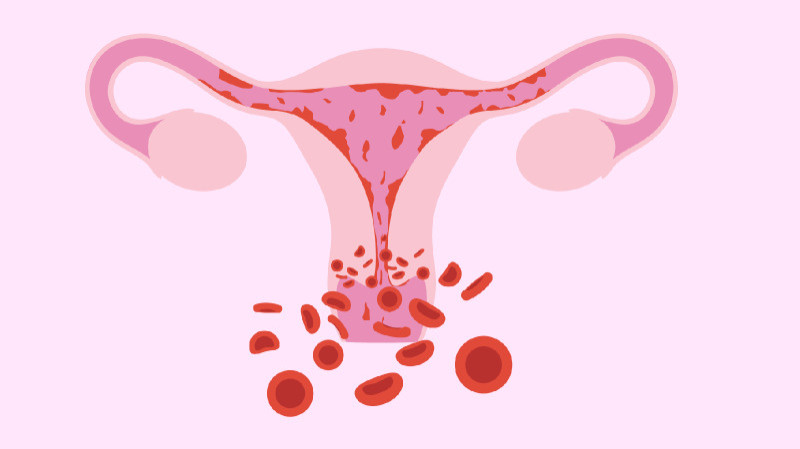
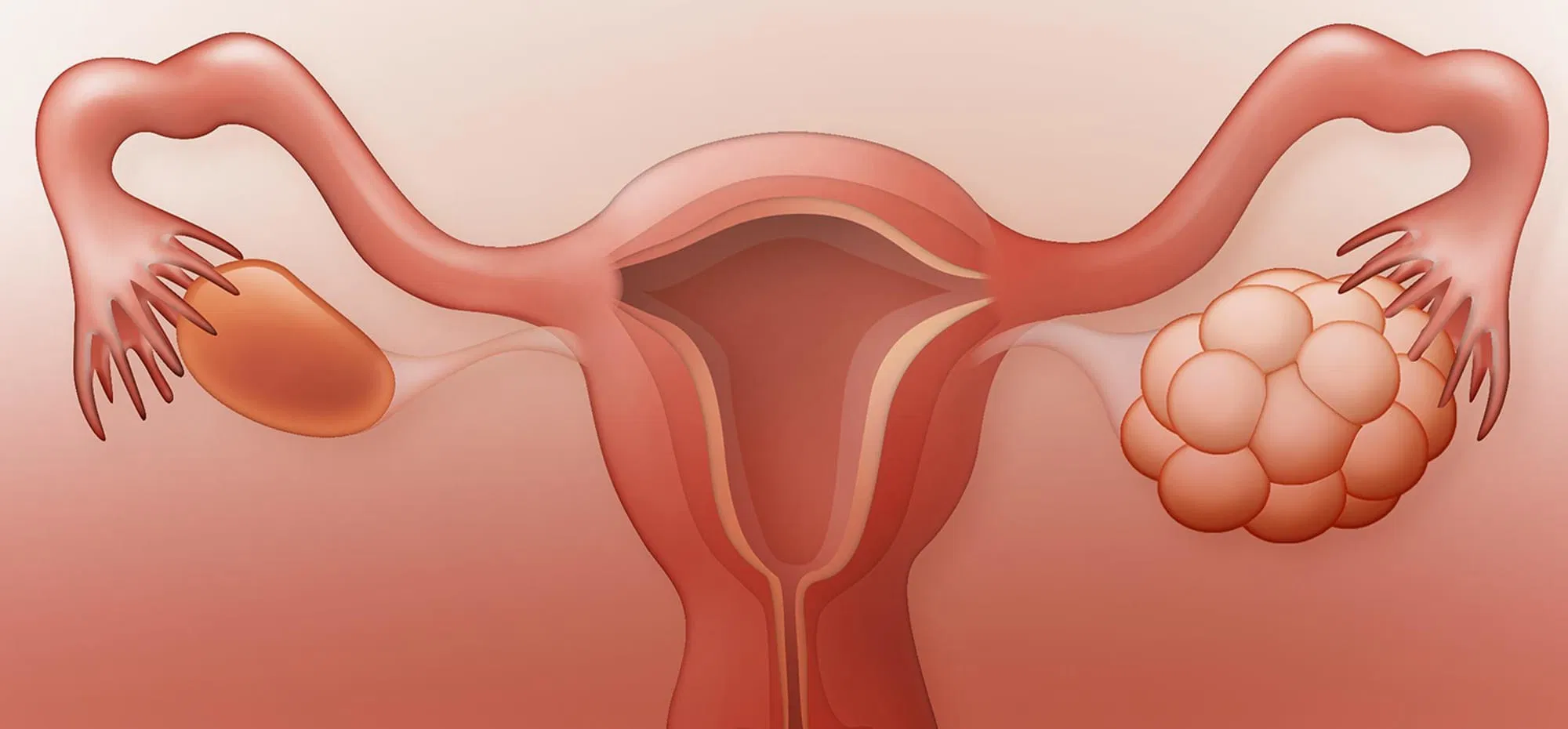
Endometriosis is defined as an estrogen originating condition where tissue that is similar to uterus lining grows outside the uterus, it can grow on the ovaries, fallopian tubes, the bladder amongst others and then each menstrual cycle, this tissue can’t be shed out by the body which then causes inflammation, ovarian cysts and often crippling pain.
How Common Is It?
Globally, endometriosis is present in approximately 10% of women and girls of the reproductive age and amongst those with chronic pain in the pelvic area or who struggle with infertility the case’s prevalence increases by 20%. Accurate data in Africa and Rwanda is limited this is because this condition is still not well known despite it affecting about 48% africans and more underground laparoscopic investigations. This proves under diagnosis, stigma and lack of resources to actually diagnose those who suffer from unusually severe period pain.
Why Diagnosis Takes Too Long
- On average, symptoms of endometriosis begin during adolescence but for many women there is often a delay in diagnosis of endometriosis resulting in unnecessary suffering and reduced quality of life.
In Africa, barriers include stigma around menstruation, limited access to gynecologists and reluctance to investigate menstrual pain aggressively where pain and fatigue during menstruation are often dismissed as “normal,” even when they disrupt functionality like; schooling, work or social life.
Common Symptoms You Shouldn’t Ignore
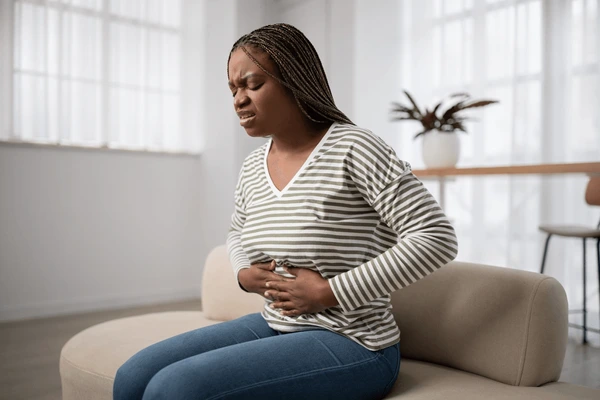
Dysmenorrhea where there is presence of menstrual cramps so intense they stop you from functioning, this discomfort is associated with endometriosis as around 70%–90% of those with endometriosis report crippling pelvic pain.
Experiencing severe dyspareunia, dyschezia or dysuriaduring one’s cycle.
Infertility is also a symptom of endometriosis that one should check out with a gynecologist. This is because it affects 30–50% of women with endometriosis.
Why It Happens (Known Contributing Factors)
Retrograde menstruation which is where menstrual blood flows backward through fallopian tubes, depositing endometrial cells in the abdomen.
Genetic factors through having a first-degree relative with the condition increases risk up to 6–10 times, as genetic studies have identified passing on of pain conditions through lineage.
Immune, hormonal, and environmental factors also play roles, though research remains ongoing .
Note: It is important to know that endometriosis is not your fault but rather a disorder that arises with uncontrollable body processes.
How Endometriosis Is Diagnosed
Clinical suspicion based on your history and menstruation pain severity.
Pelvic exam and imaging which is useful especially for detecting ovarian cysts or deep lesions, which can then be traced to endometriosis.
Definitive diagnosis with laparoscopy which aims to visualize and biopsy lesions.
Treatment & Management
NSAIDs like ibuprofen to relieve pain.
Hormonal treatments combined oral contraceptives, progestins, hormonal IUDs and advanced options that include GnRH agonists/antagonists to relieve the severe pain of the condition.
Surgical removal of lesions or adhesions by laparoscopy; in severe cases, hysterectomy may be considered however this may not eliminate pain completely.
Supportive care like; pelvic physiotherapy, heat therapy, dietary changes and mental health support from authorized medical personnel.
Context for Rwandan & African Women
Menstrual pain is normalized in the community as many girls miss school or work but don’t talk openly about it and the stigma around menstruation makes it harder to seek help.
Health infrastructure limits access to ultrasound or laparoscopy outside major cities.
Early first pregnancy and large family norms may mask endometriosis, but changing life patterns could increase risks which can later bloom to cancer from the cysts.
Takeaway: What You Can Do Now
Track symptoms: bleeding, pain intensity, fatigue, impact on daily life all through your cycle.
Seek care early: share any concerns with health providers; ask for pelvic exam or ultrasound.
Be persistent: if dismissed, ask for referral to specialists or consider private clinics.
Support each other: open conversations within families and schools help reduce stigma.