Polycystic Ovary Syndrome (PCOS) is a chronic hormonal disorder that affects millions of women worldwide, yet it remains one of the most misdiagnosed conditions in reproductive health.
PCOS is a syndrome that impacts the reproductive system, metabolism and overall well-being, while PCOS is gaining more attention today; many women still endure years of symptoms before receiving an accurate diagnosis.
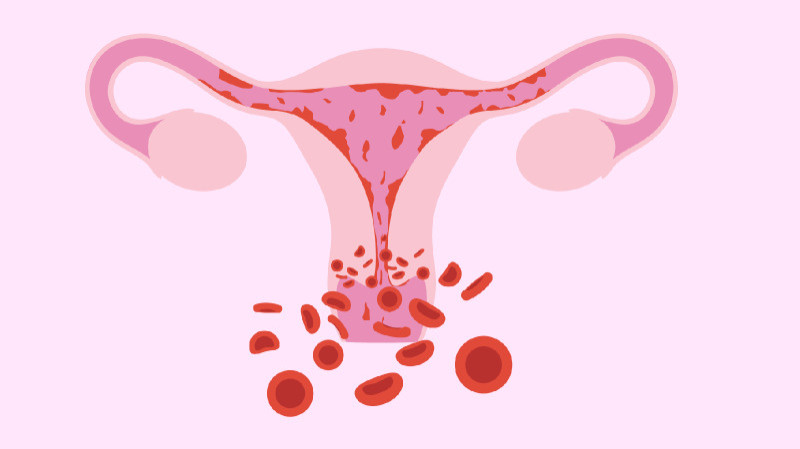
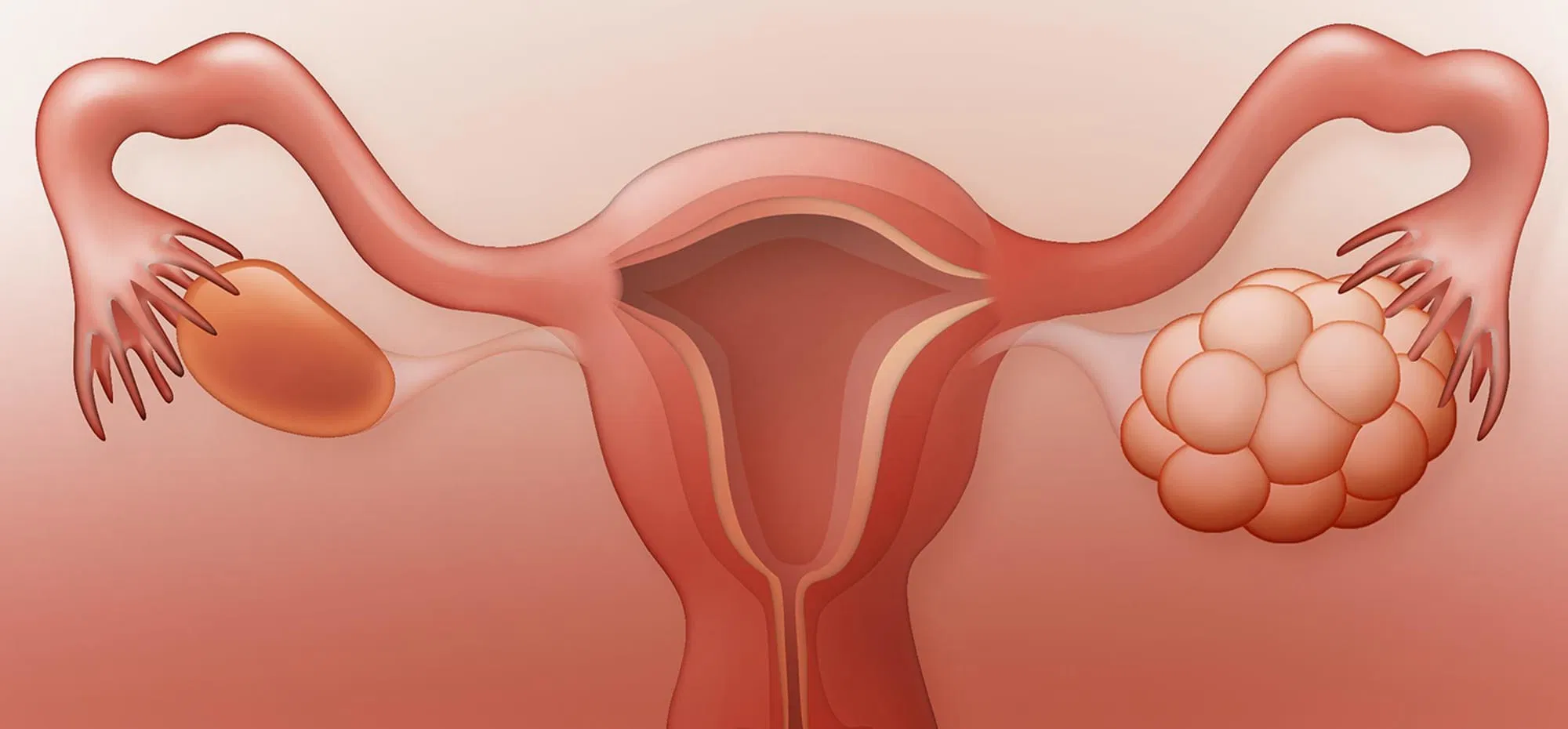
PCOS is largely characterized by a hormonal imbalance of the reproductive hormones in which you have an excess of androgens, which is also referred to as "male" hormones that naturally exist in small amounts in women. The imbalance disrupts the usual process of ovulation, leading to irregular periods, development of cysts on ovaries and excessive hair growth on the body.
The exact cause of PCOS is yet to be identified but research suggests that it is caused by a combination of genetics and hormones. The body's cells cannot properly respond to insulin and therefore the pancreas will secrete additional insulin to compensate; this excess insulin is not only the cause of the heightened risk of type 2 diabetes but also leads the ovaries to produce more male hormones and thus form and/or worsen PCOS symptoms. Genetics also play a role; where most women with family history of PCOS or type 2 diabetes are at risk of developing the syndrome.
The symptoms and signs of PCOS vary from person to person; one of the most common signs is an irregular menstrual period, excess male hormone levels, excessive hair growth on the body, skin problems, hair thinning, abnormal weight gain or not being able to lose weight despite observing a healthy regime. PCOS can also affect the mind leading to depression and poor self-esteem.
The long term effects of PCOS can be devastating if not controlled with the condition often leading to infertility, prolonged exposure to unopposed male hormones also puts women at a great risk of endometrial cancer and insulin resistance; PCOS puts women at a great risk of type 2 diabetes and cardiovascular disease alongside other complications.
Diagnosis of PCOS is not straightforward with the various symptoms associated with it and the most widely accepted criterion being Rotterdam Criteria, which requires at least two of the following: absent or irregular ovulation, clinical or laboratory evidence of excessive amounts of male hormones and ovarian cysts on ultrasound.
While PCOS is not curable, it can be successfully managed with a combination of lifestyle modification and medical treatment. When it comes to medical treatments; hormonal contraceptives, e.g., birth control pills are often prescribed for the purpose of regularizing menstrual periods, lowering male hormones and treating acne also at times medication is used to boost fertility, enhance insulin sensitivity and for weight control. PCOS affects not only physical health but also mental health and so therapy and counseling for mental health benefits is also recommended.
PCOS can be managed by partaking in regular medical check-ups, tracking menstrual cycles, monitoring blood sugar levels and maintaining a healthy lifestyle.
Raising awareness about PCOS breaks the cycle of ignorance and delayed treatment that surrounds this condition.