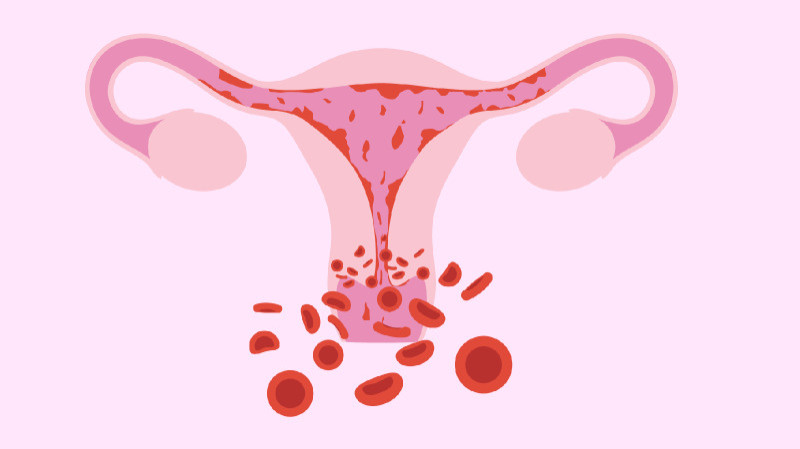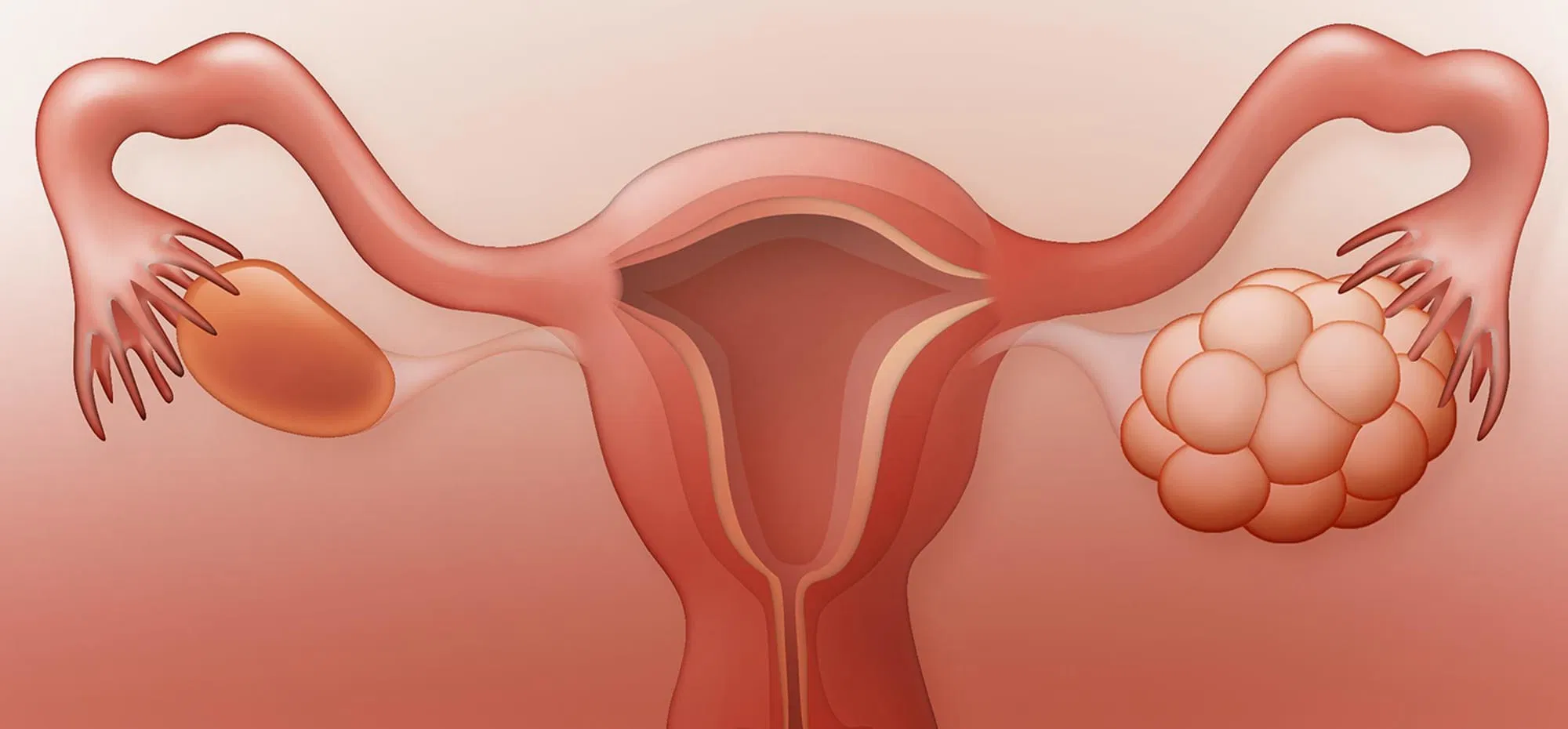

What is vaginal discharge?
Vaginal discharge is defined as fluid produced by the uterus and cervix that is made of cells and bacteria that is essential for function of the female reproductive system, it ensures the lubrication and cleanliness of the vagina by fighting off bad bacteria and infections.
The way discharge looks, smells or its amount varies with the stage occurring in a woman’s life, however, these changes should be kept track of to ensure there aren’t any underlying health issues.
Types of discharge:
1. Clear, Watery Discharge
Clear, watery discharge is normal and it mainly is seen after exercise and it can also be observed during arousal or as part of the woman’s body’s natural lubrication process, this discharge is odorless and doesn’t cause any irritation.
2. Clear, Stretchy Discharge
This type of discharge is usually present mid-cycle especially as the body prepares for ovulation. Its texture is slippery and resembles raw egg whites, it is a sign of fertility as it facilitates sperm to travel easily through the cervix to the uterus.
3. White and Thick Discharge
White and thick discharge is normal especially at the beginning or end of the menstrual cycle. However, if the discharge looks like cottage cheese and is accompanied by itching and a foul smell, it may indicate a yeast infection.
4. Yellowish Discharge
Yellowish discharge is a sign of infection and one that should not be ignored, as it might suggest trichomoniasis, asexually transmitted infection, it may also indicate bacterial vaginosis or gonorrhea hence the need to visit a gynecologist if one experiences such.
5. Brown or Bloody Discharge
Brown discharge is often related to old blood leaving the uterus, it suggestively occurs after menstruation, before a period starts or after sex and while this is usually normal, unexpected bleeding should be evaluated as it can mean issues like fibroids, endometriosis or in rare cases cervical or uterine cancer.
6. Gray Discharge
Gray discharge accompanied by a fishy odor is not normal and is most often associated with bacterial vaginosis, which is a common vaginal infection that is caused by the imbalance of natural bacteria in the vagina, it can be treated with antibiotics and lifestyle changes of one’s sex life.
7. No Discharge
Some women naturally produce little vaginal discharge especially during or after menopause , this is because estrogen levels drop; however, complete dryness may mean vaginal atrophy.
When Should You Seek Medical Help?
You should consult a doctor if your discharge:
Has an unpleasant odor and is accompanied with itching.
Contains blood unexpectedly.
Comes with abdominal pain.
Note from Eve Health Team:
Being aware of the consistency of your vaginal discharge is an important part of reproductive health and regular checkups, good hygiene and open conversations with trusted health professionals are essential.
References:
Vaginal Discharge – Cleveland Clinic
https://my.clevelandclinic.org/health/symptoms/4719-vaginal-dischargeYeast Infection (Vaginal) – Symptoms and Causes – Mayo Clinic https://www.mayoclinic.org/diseases-conditions/yeast-infection/symptoms-causes/syc-20378999 (mayoclinic.org, my.clevelandclinic.org)
Sexually Transmitted Diseases (STDs/STIs) – Cleveland Clinic
https://my.clevelandclinic.org/health/diseases/9138-sexually-transmitted-diseases--infections-stds--stis (en.wikipedia.org, my.clevelandclinic.org)Bacterial Vaginosis – Cleveland Clinic
https://my.clevelandclinic.org/health/diseases/3963-bacterial-vaginosis (hellobonafide.com, my.clevelandclinic.org)Gonorrhea – Cleveland Clinic
https://my.clevelandclinic.org/health/diseases/4217-gonorrheaUterine Fibroids – Symptoms & Causes – Mayo Clinic
https://www.mayoclinic.org/diseases-conditions/uterine-fibroids/symptoms-causes/syc-20354288Cervical vs. Uterine Cancer – Healthline
https://www.healthline.com/health/cervical-vs-uterine-cancerMenopause – Symptoms & Causes – Mayo Clinic
https://www.mayoclinic.org/diseases-conditions/menopause/symptoms-causes/syc-20353397 (en.wikipedia.org, my.clevelandclinic.org, mayoclinic.org, cdc.gov)
Vaginal Atrophy (Atrophic Vaginitis) – Cleveland Clinic https://my.clevelandclinic.org/health/diseases/15500-vaginal-atrophy (my.clevelandclinic.org)