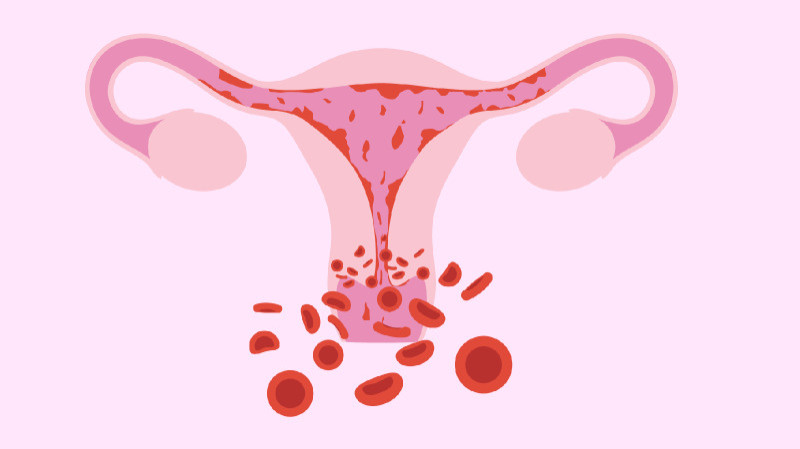
There is a thin line between a bad period and menorrhagia. If you have to decline social invitations because you're terrified of bleeding through your clothes on your period, if you have to set alarms to wake up multiple times at night to change protection and if you feel exhausted, dizzy and drained not just emotionally, but physically depleted; this might not just be "a bad period” but rather menorrhagia which is far more common than most of us realize.
What Is Menorrhagia?
Menorrhagia is a medical term for abnormally heavy or prolonged menstrual bleeding.
Abnormally heavy means?
Soak through one or more pads or tampons every hour consecutively.
Need to use double-period protection to control the flow.
Pass blood clots larger than a quarter.
Bleed for more than 7 days.
Feel constantly exhausted, weak, or short of breath during your period.
If you're nodding to some of these or even can think of an experience you have during your period that stands out to whoever you mention it to as strange, you're not being "dramatic."
The Menorrhagia Impact
Let's talk about what heavy periods really steal from one’s life:
Physical Health: When you lose excessive blood month after month, your body becomes depleted of iron, which can lead to iron-deficiency anemia, which might look like: constant exhaustion even after rest, brain fog and unusual coldness all the time, especially your hands and feet during your menstruation period.
Mental Well-Being; Many women with menorrhagia experience anxiety, depression from dealing with chronic symptoms and negative impacts on self-confidence.
Quality of Life: Heavy periods can dictate your life as you might find yourself avoiding light-colored clothing for an entire week each month, missing important occasions, and spending a lot of money annually on menstrual products.
What Causes Menorrhagia?
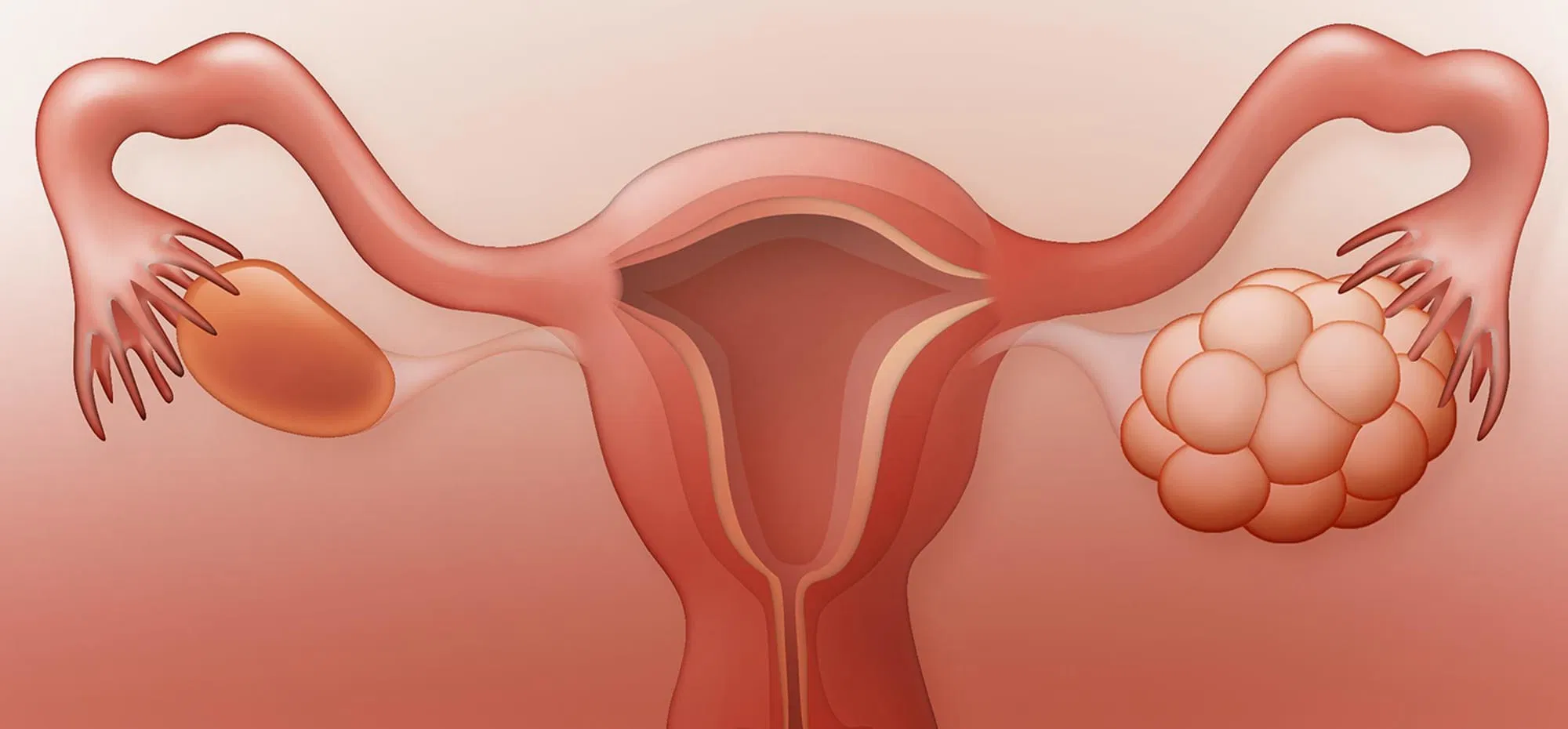
Menorrhagia isn't a disease itself; it's a symptom that something in your body needs attention. With common causes including:
Hormonal Imbalances: When estrogen and progesterone aren't in balance, your uterine lining can become excessively thick, which leads to heavy shedding during menstruation, often occurring during adolescence, perimenopause, and with conditions like PCOS.
Uterine Fibroids: These non-cancerous growths in the uterine wall affect up to 80% of women by age 50, and they cause heavy bleeding down to even with the smallest fibroids.
Blood Clotting Disorders: Conditions like von Willebrand disease affect your blood's ability to clot properly, leading to excessive menstrual bleeding.
Intrauterine Devices (IUDs): Copper IUDs, while highly effective contraception, can increase menstrual bleeding as a side effect.
Medications: Blood thinners, anti-inflammatory drugs, and certain other medications can contribute to heavier bleeding.
When to See a Doctor
If your period consistently requires changing pads/tampons
If you're passing large blood clots regularly
If your bleeding lasts longer than 7 days
If you feel exhausted, dizzy, or short of breath during periods
If your period significantly disrupts your daily life
Treatment Options
Menorrhagia is treatable, with options ranging from conservative to surgical, as discussed below.
Medications
Hormonal contraceptives: Birth control pills, patches or hormonal IUDs can regulate cycles and reduce bleeding
Tranexamic acid helps blood clot more effectively during menstruation
Ibuprofen or naproxen can reduce bleeding by 25-50%
Iron supplements to combat anemia and restore energy
Invasive Procedures
Endometrial ablation, which destroys the uterine lining to reduce or stop bleeding (not suitable if you want future pregnancies)
Uterine artery embolization, where they cut off the blood supply to fibroids, causing them to shrink.
Myomectomy, which is the surgical removal of fibroids while preserving the uterus.
Hysterectomy, which is the removal of the uterus, provides a permanent solution (obviously, only if you don't want future pregnancies).
Practical Tips To Live With Menorrhagia
While seeking treatment, these strategies can help you cope:
Track Everything; use a period tracking app like Eve Health or a journal to document flow intensity as this can help when discussing treatment with your doctor.
Optimize Your Iron Intake by eating iron-rich foods like; Red meat, poultry, Leafy greens , paired with vitamin C (use Eve Health to acquire tailored meal plans according to your flow).
You can consider menstrual cups as they can hold more than tampons and overnight pads even during the day on heavy flow days.
Breaking the Silence
Perhaps the most damning aspect of menorrhagia is the culture of silence surrounding it, too many women suffer alone, thinking their experience is "normal" however you should know heavy periods are common but they're not normal and you don't have to accept them as your fate.
Don't let anyone, including healthcare providers, dismiss your concerns. If your doctor minimizes your symptoms, seek a second opinion, your quality of life matters.