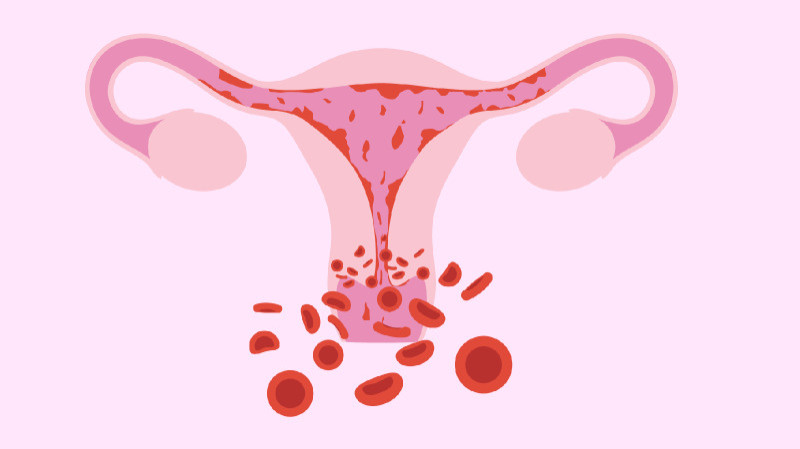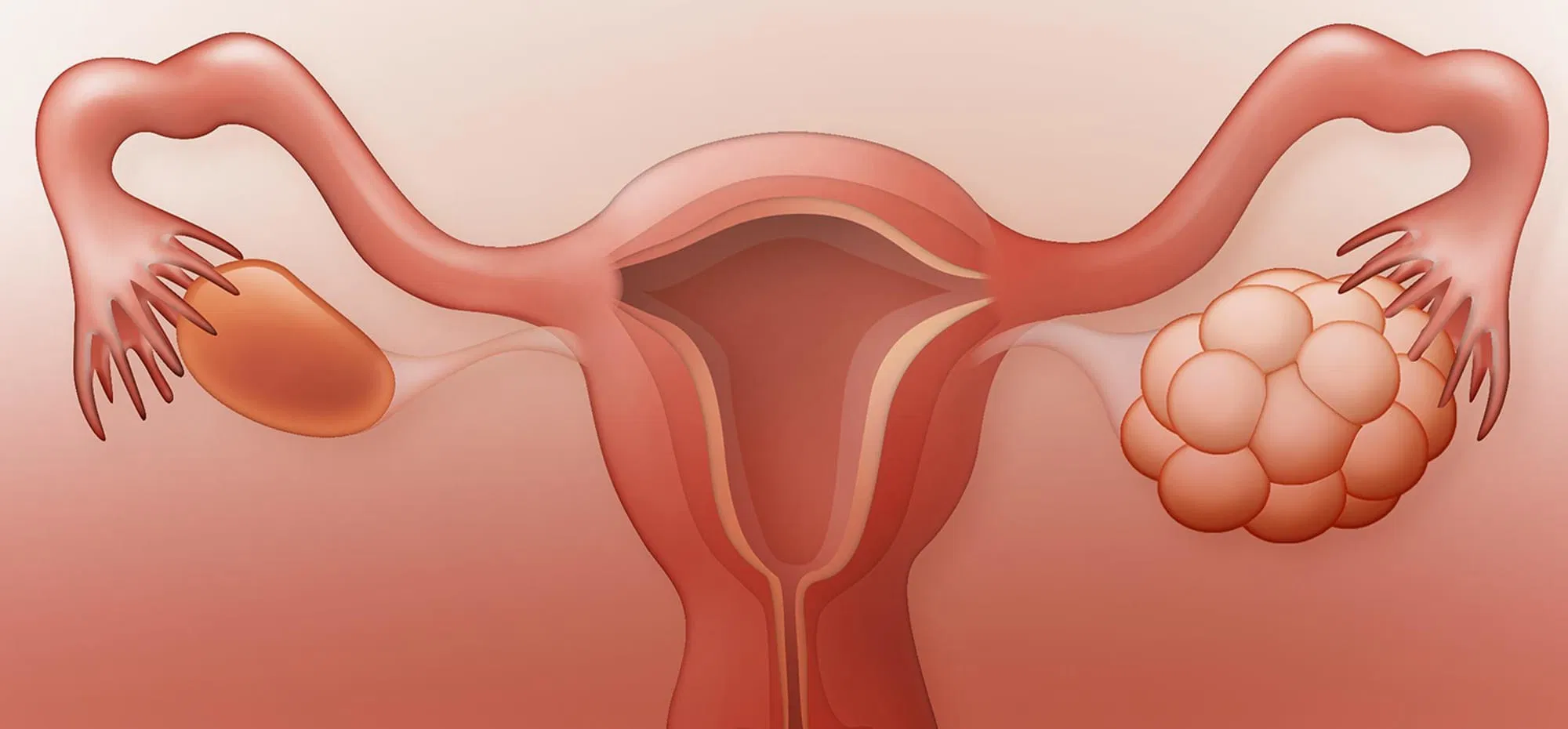
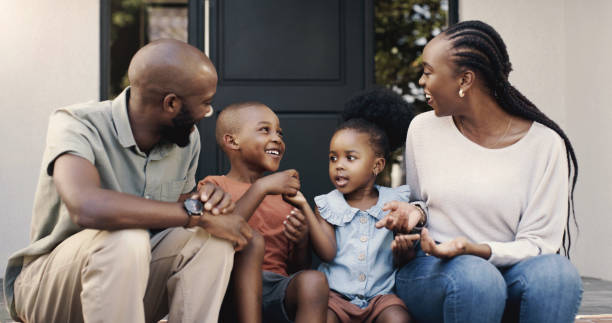
When we talk about periods its a subject directed to the female gender, girls are taught of their cycles, menstruation and all that it inhabits; the cramps, the hormones, the mood swings, the appetite changes, the acne and so much more while their male colleagues remain partially informed or uninformed. Mothers teach their daughters about this change that awaits them (at least some do) but they also pass on the shame around menstruation; by the time you are menstruating you know how to hide your pads/tampons so well you won’t ever be embarrassed by its visibility in public and you know how to mask the cramp pain so well and give your 100% for 365 days so no one suspects you bled any day of those.
But here’s the reality:
Menstruation is not a private matter for girls — it’s an experience that falls under a cycle through which life can be made and hence a matter for us all.
For progress to happen, boys and men must be part of the dialogue; informed, respectful, and supportive and it is through this awareness that empathy will be conceived and said empathy will lead to change.
🚫 The Cost of Exclusion
When we treat menstruation as a “girl-only” subject, we unintentionally breed ignorance, stigma, and shame not just in boys, but in girls, too. Girls grow up believing this important and natural part of their cycle is something to be hidden and boys grow up thinking periods are gross, embarrassing or irrelevant and society suffers from this. As proved by a 2022 UNESCO report noted that in many countries, including Rwanda the lack of male inclusion in menstrual health education perpetuates myths, social stigma, and silence among both genders (UNESCO, 2022).
Here’s what happens when boys aren’t taught about periods:
Girls get teased for stains instead of supported.
Men grow up emotionally disconnected from the realities of their partners, sisters or daughters.
Period poverty is ignored, because male policymakers lack understanding.
And most tragically: Shame grows where understanding is absent.
We cannot change the culture of silence and embarrassment if half the population is left out of the conversation.
👦🏾 Why Boys Should Be Involved:
Let’s flip the question: Why shouldn’t boys know?
Boys will grow into:
Partners who should support their loved ones through period symptoms, pregnancies, and reproductive health.
Fathers of daughters who need safe, shame-free spaces to grow.
Teachers, doctors, leaders, and community members who can shape inclusive policies and cultures.
If we want a world where menstruation is normalized, respected and supported then boys must be part of the education, from the beginning. Research from the Journal of Adolescent Health shows that when boys receive accurate menstrual health education, they are more likely to empathize with menstruating peers and less likely to engage in teasing behavior.
📚 What Boys Are Missing:
Here are just a few things most boys (and even many grown men) were never taught:
That periods are not dirty they’re a natural sign of health.
That not all women experience menstruation the same way.
That severe period pain can signal real health issues, like endometriosis.
That girls can feel tired, foggy, or emotional—and it’s not “just mood swings.”
When boys understand this, they stop mocking their sisters, friends and daughters and start supporting; they stop saying “Eww” and start saying “Do you need anything?”
According to a Menstrual Hygiene Day Global Report, boys who learn about menstruation are more likely to grow into supportive adults who champion period equity at home and in their communities.
🌍 How Do We Bring Boys In
1. Make Education Co-Ed: Schools should teach menstrual health to everyone, boys should be in the same room learning alongside girls—not left out.
2. Normalize Conversations at Home: Parents can start by answering questions honestly, without shame. If a boy sees his sister get her period, that’s not awkward—it’s life.
3. Call Out Period Jokes: From social media to playgrounds, we need to stop tolerating period-based bullying or mockery, that change starts with education.
4. Show Boys It’s a Strength to Know: Let’s stop treating period knowledge like “girl stuff” and start framing it as life skills. Real men talk about periods, Real men care.
🧑🏽🦱 From Boys Themselves
“I used to think periods were gross until I saw my younger sister cry from cramps. Now, I keep painkillers in my bag just in case she forgets hers.”
— Eric, 19, University student in Kigali
“Our biology teacher explained periods like any other body process. It made it feel normal—not weird. That stuck with me.”
— Brian, 16, Secondary School Student in Kigali
“I never knew my girlfriend had to deal with fatigue and cravings every month. Once I started learning about it, I became a better partner.”
— Martin, 24, Kigali
💡 Final Word: Inclusion Is Power
When we say "periods are normal," we must also say: "for everyone to understand." It’s not enough to empower girls with knowledge; we must educate the boys too because the more boys understand periods, the fewer girls grow up ashamed of them.
Let’s build a world where:
Boys pass their sisters pads without flinching.
Male teachers keep emergency period kits in class.
Boyfriends and Husbands support their partners through hormonal ups and downs.
“Menstruation is not just a girl thing.”
References
1. UNESCO. (2022). Comprehensive sexuality education and menstrual health. Read more.
2. Sommer, M. et al. (2018). Boys’ and young men’s perspectives on menstruation: Challenges, risks, and opportunities. Journal of Adolescent Health, 62(3). Read more.
3. Menstrual Hygiene Day (2023). The Men’s Room Report: Engaging Men and Boys for Menstrual Equity. Read more.
4. WaterAid. (2019). Period education must include boys. Read more.