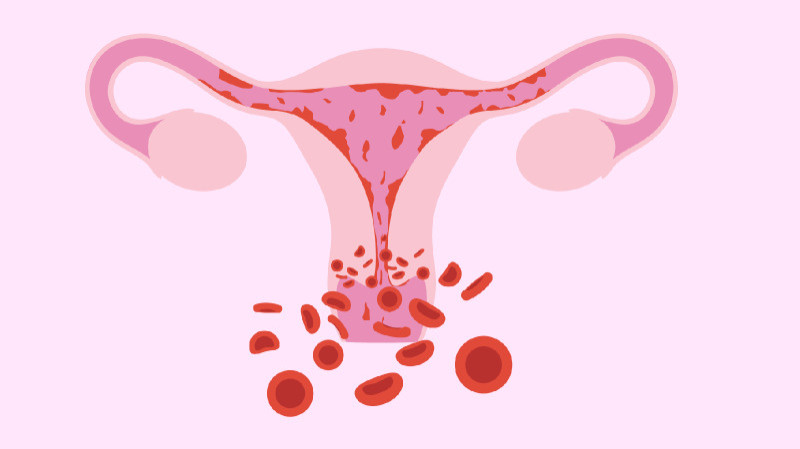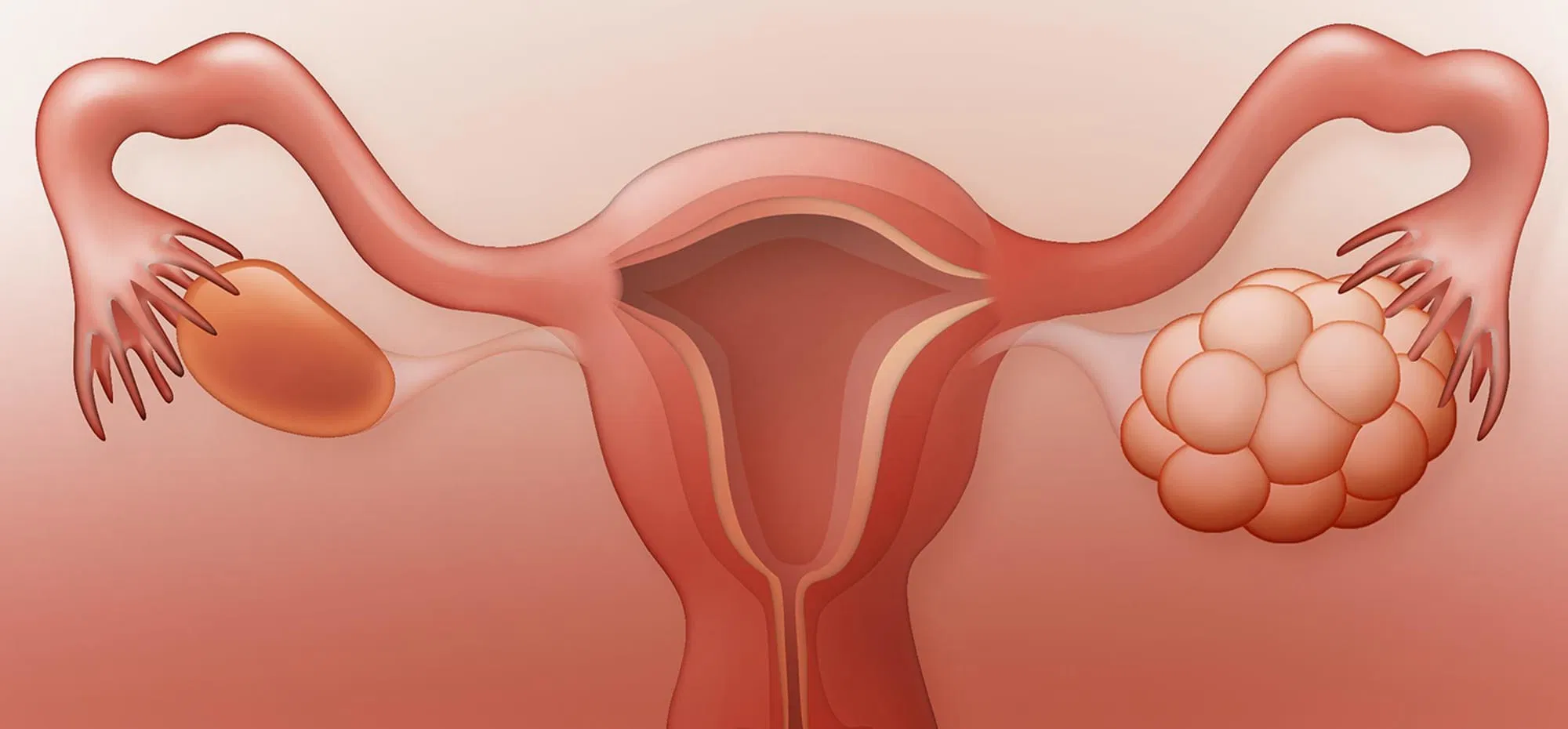

Your menstrual cycle is far beyond just your period and just like how the body has a bunch of systems that help run it for full functionality, there is a hormonal system that governs your journey up to the actual day you practically see red! (have your period) mainly for an average of 28 days. Understanding this process and the involved changes empowers you to not forget your umbrella on a rainy day meaning you will be able to anticipate changes in your inner reproductive system, your mood and energy levels and so much more.
We have 4 core players (hormones) that play a unique and critical role this journey;
- Estrogen which in this instance we will nickname the builder is in charge of ensuring that the uterine walls are strong and ready to handle a pregnancy and for the rest of us who ain’t this hormone ensures we maintain our skin glow, stabilizes energy level controls and mood, this hormone also ensures we keep our vagina moist and healthy.
- Progesterone helps maintain the uterine lining enabling it to carry a baby (if one is made), it can also help relax your body and it is at its highest when you are ovulating.
- The Follicle Stimulating Hormone (FSH) helps stimulate our ovaries to grow follicles with each containing an egg and helps choose a dominant egg to be released during ovulation, it is present at its highest just after your period.
- The Luteinizing Hormone, which mainly deals with facilitating the release of an egg from the ovary, it is present at its highest levels right before ovulation.
The Cycle Phases & Weekly Breakdown:
Week 1: Menstruation & The Follicular Phase (Approx. Days 1-14)
What is happening: Your body is experiencing the beginning of your cycle, this means that this is your first day of your period; the uterine lining that had thickened to prepare for the possibility of pregnancy sheds through the vagina as blood, you are likely to experience cramps during this phase as there is a release of prostaglandins which basically cause contractions. The hormones estrogen and progesterone are at their lowest hence the energy low levels and emotional distress you may experience however the Follicle Stimulating Hormone is at its rising point so as to stimulate the ovaries.
Week 2: Follicular Phase (Days 8-14)
What is happening: This is right after your period and your body is getting ready for ovulation, FSH is still high and Estrogen is increasing rapidly in preparation for ovulation and there will be establishment of a dominant follicle which also goes hand in hand with the cervical mucus becoming thin and slippery increasing sperm survival rates. Your energy levels and mood often peak alongside and the skin might appear clearer.
Week 3: Ovulation Phase (Approx. Day 14 to 16)
What's Happening: There is presence of high estrogen which causes the dominant follicle to release an egg from the ovary which is thereafter known as ovulation, the egg can then be fertilized for about 12-24 hours. Some women experience aches or sharp pain on one side of the lower abdomen during this time, it is important to stay hydrated in this phase.
Week 4: The Luteal Phase (Approx. Days 15-28)
What’s Happening: After ovulation, there is a high amount of estrogen and progesterone this is all to prepare your body for a possible pregnancy, the follicle that has been torn drops transforms into a secretory thickened lining that is rich in nutrients, energy levels are more stabilized but as the phase ends the mood starts to drop, you might also experience bloating, breast tenderness and appetite shift.
And then the cycle repeats itself.
Cycle Facts You need to know:
1. A cycle length is at average between 21-35 days.
2. The bleeding duration for a period is between 3-7 days where you can experience cramps, nausea and body aches however if you experience longer bleeding periods and severe pain, please consult a gynecologist (it is not normal).
3. Knowing your cycle helps you anticipate changes and what your body needs, optimize activities and identify potential issues before they are beyond control.